

On May 29, Real Reel and UCLA School of Theater, Film and Television co-hosted a live industry conversation at the James Bridges Theater: two panels, one student showcase, and a room full of people actively building this space.
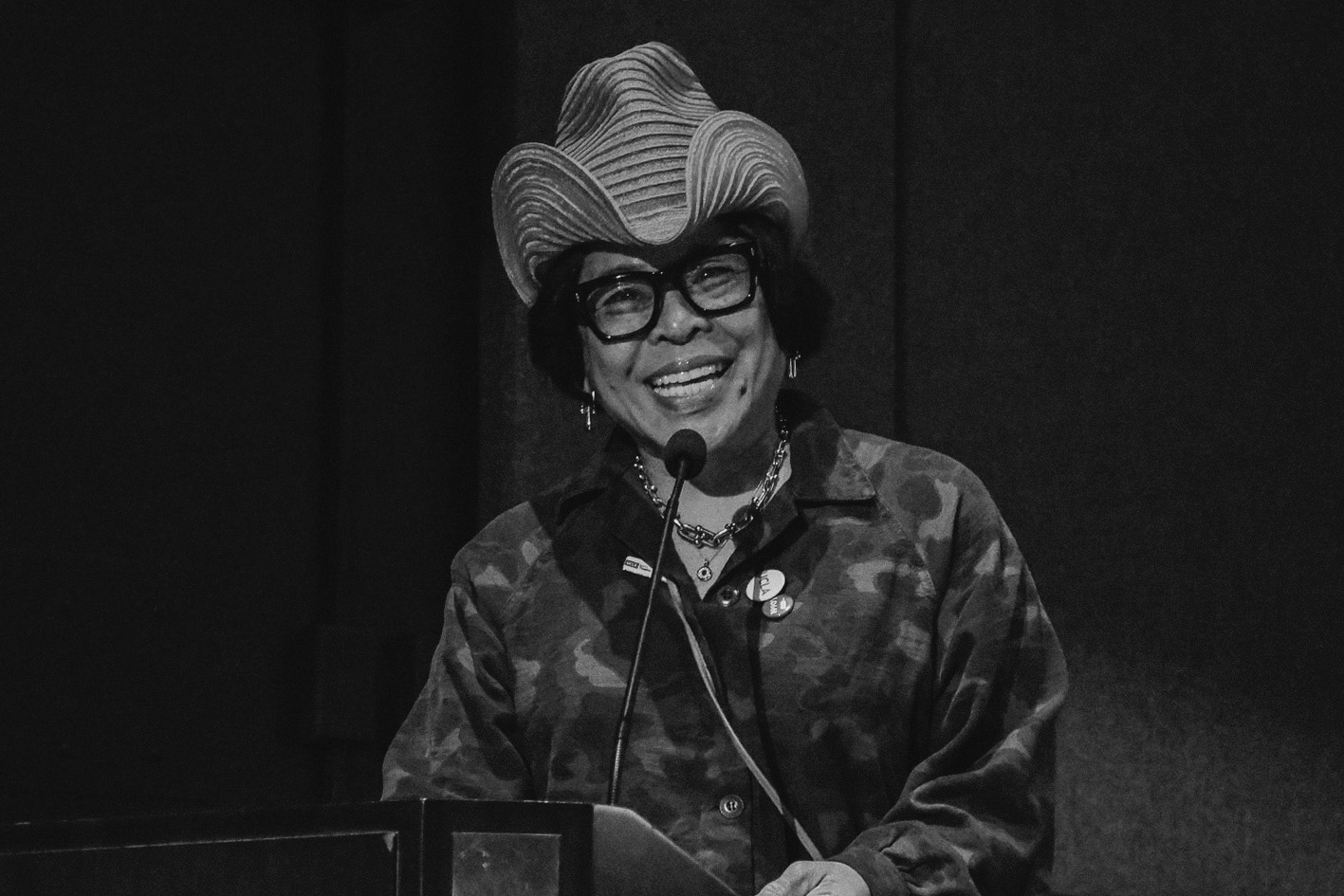
Dean Shimizu opened the evening by connecting vertical storytelling to something much older: the LA Rebellion, the movement that began at UCLA TFT in the 1960s and ran through the 1990s, in which filmmakers made work on their own terms, for real audiences, outside the Hollywood system.
She pointed to the Hollywood Diversity Report, which UCLA TFT has published for 13 years, and which has delivered the same finding every time: fewer people of color, fewer women directing and writing. Vertical storytelling, with its lower budgets and without traditional gatekeeping, is one of the few spaces where that reality is actively changing.
Getting into this format is not a step down. It is a continuation of what this building has always stood for. The students in the room, she said, are inheriting that lineage, and vertical storytelling is its current expression.

Celine Zen moderated Panel 1 by creating space for the kind of candor that does not always make it into industry conversations. She pressed her guests on the tensions that rarely get named out loud: the difficulty of being both a creative company and a tech platform, the gap between what investors want and what founders want to make, and the challenge of differentiating when the competition has 100 times your resources.
She also surfaced the question that mattered most to the room full of students: is this still a good moment to get in? Her moderating instinct throughout was to push past the positioning and get to what is actually hard.
What emerged was a panel unusually candid about the gap between the promise of vertical and the reality of building inside it.
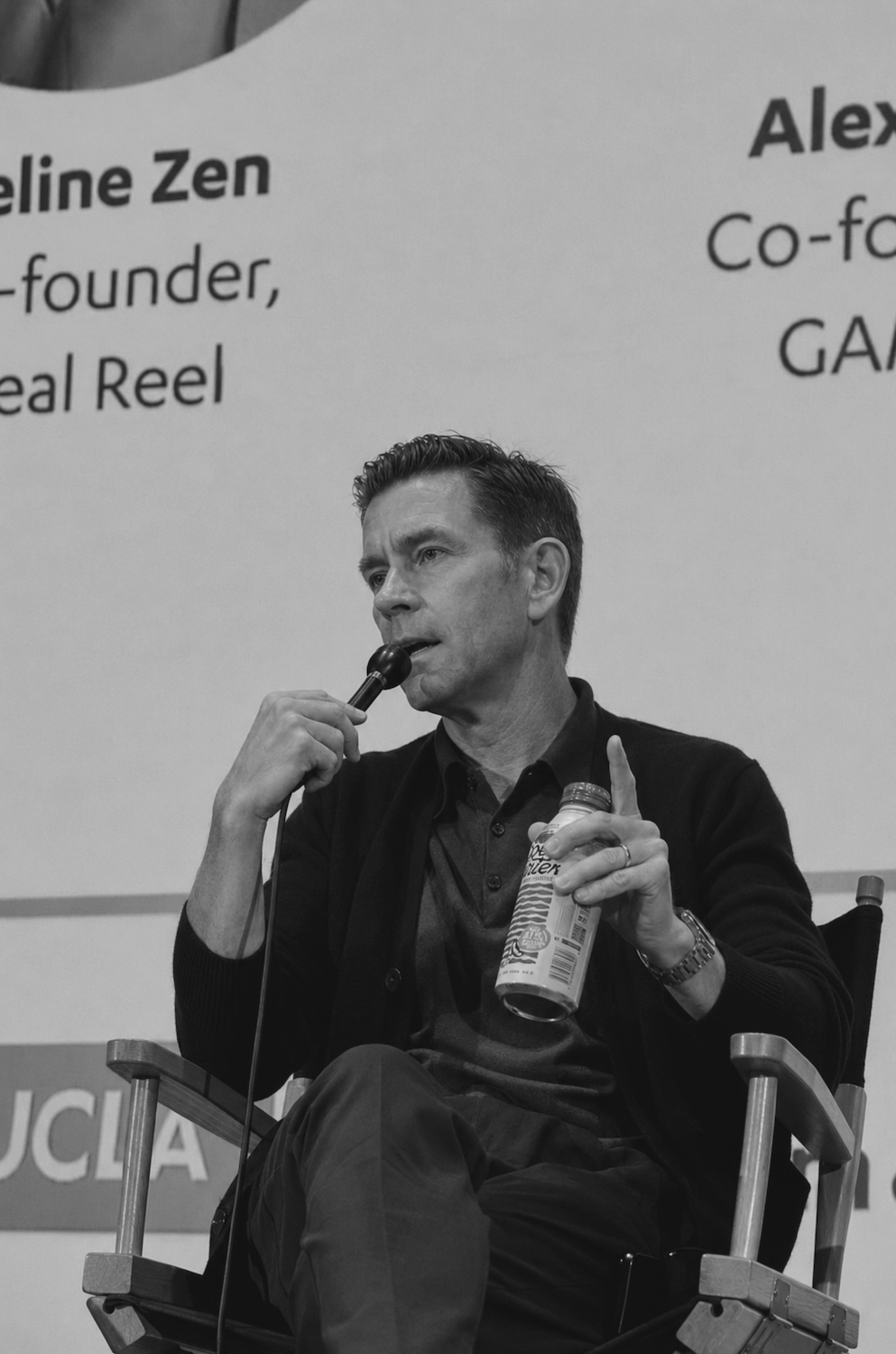
A veteran producer with credits including Top Gun and Mission: Impossible, Harper discovered vertical storytelling through a financial article he read on a train in Spain. Several months later, he had his own platform. What drew him in was speed: greenlight-to-release in weeks, not years.
He goes looking for directors on YouTube and Instagram, reaches out directly, and makes decisions based on what he sees, not who they know.
His sharpest observation was about the transition cost for established Hollywood talent. The discipline required to shoot 15 to 20 pages a day is a fundamentally different craft, and the more decorated the director, the harder the adjustment. That gap is exactly where new talent has room to move.
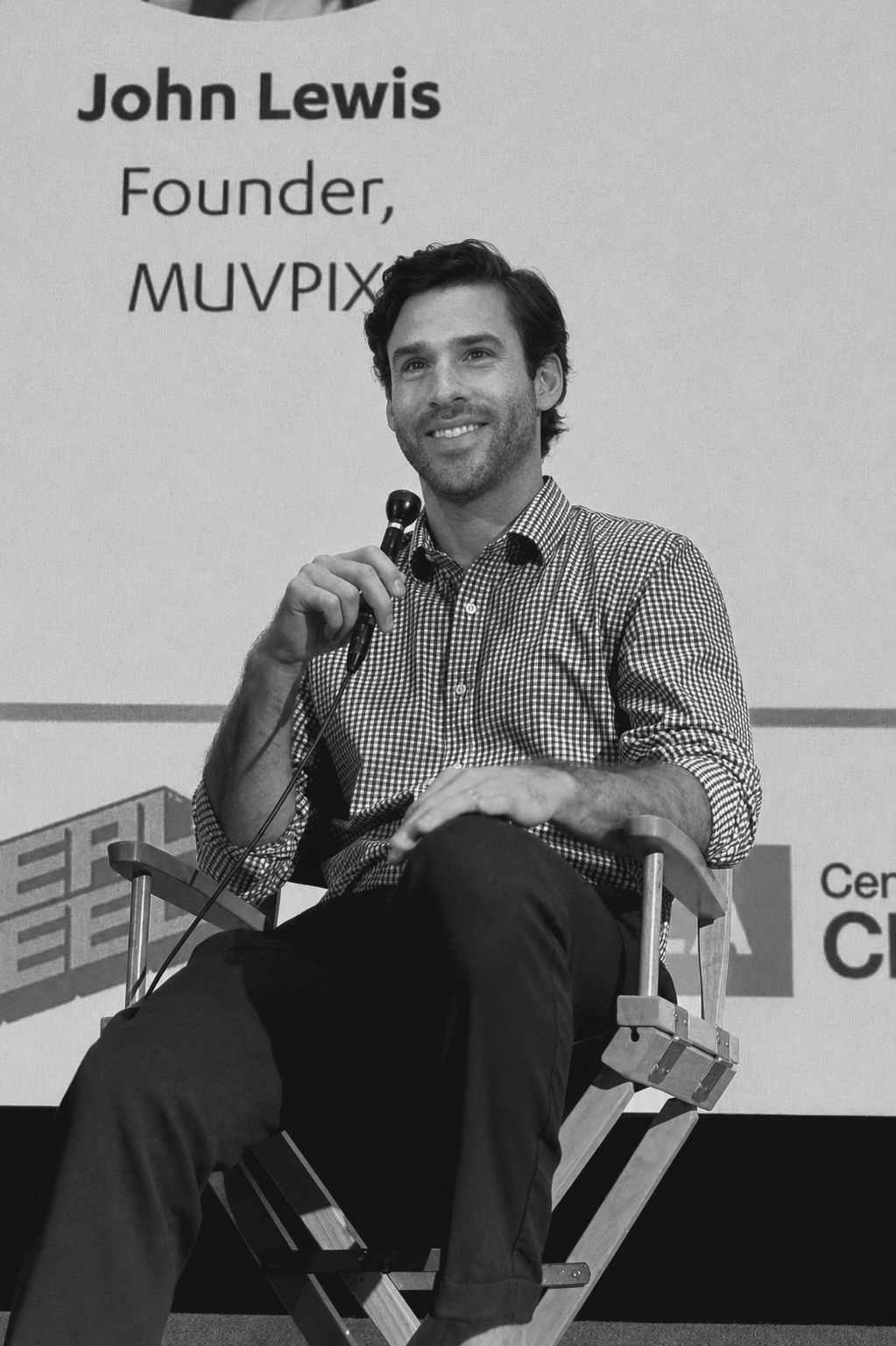
Lewis got into vertical the way most people do: a friend mentioned it, he scrolled a Chinese series he had never heard of, knew what was going to happen the whole time, and kept watching anyway. That experience convinced him the format was real.
muVpix packages everything the way Lewis approaches all his work: strong writers, experienced directors, two or three name cast members, and a deck that signals quality before a single frame is shot.
Production partners can log directly into the platform backend, see episode-by-episode performance, ad metrics, and monthly revenue in real time, and receive payouts every month. In a space where data typically stays locked inside platforms, that openness has become a genuine point of differentiation.
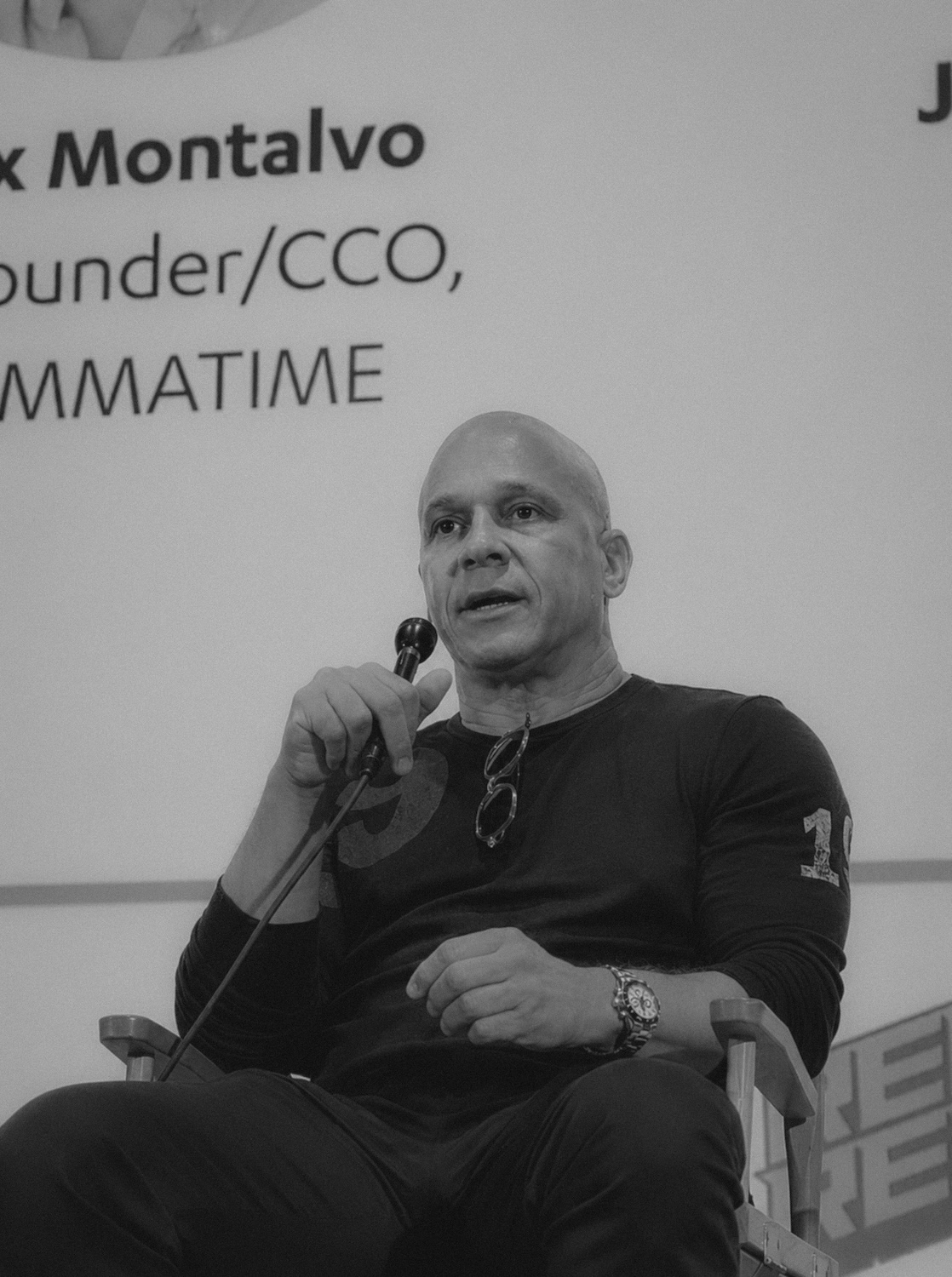
Montalvo started tracking vertical drama in early 2024, and recognized immediately that the format was solving a problem the industry had been circling for years: scripted content built natively for the phone.
GammaTime, which raised $14 million last year, is built on those learnings, including a proprietary predictive greenlighting tool that runs source material through audience-calibrated markers before production begins.
His competitive thesis is deliberate genre expansion. Where most platforms cluster in romance, GammaTime launched with true crime, a bet that different content can reach audience segments the Chinese platforms have not served.

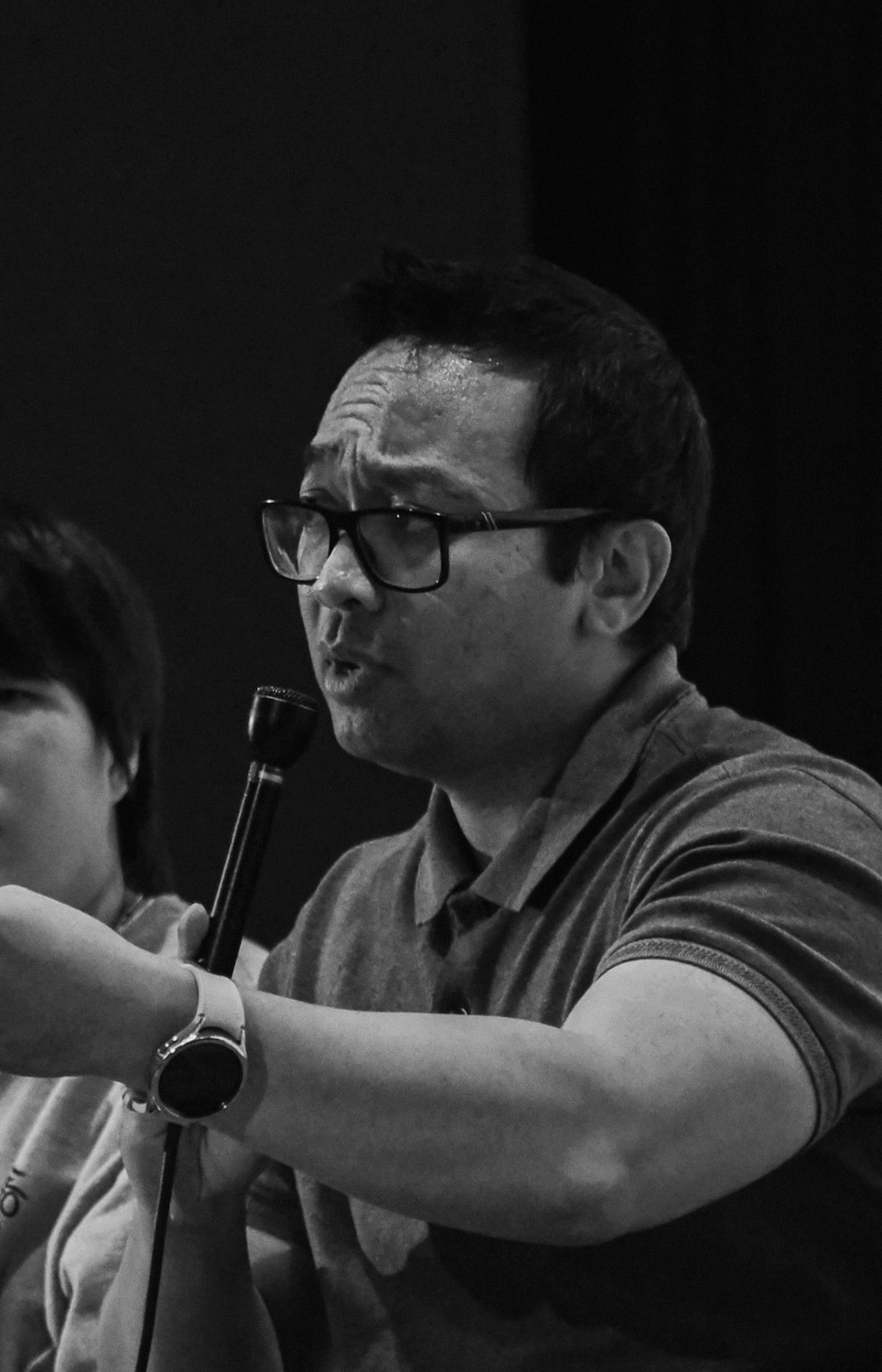
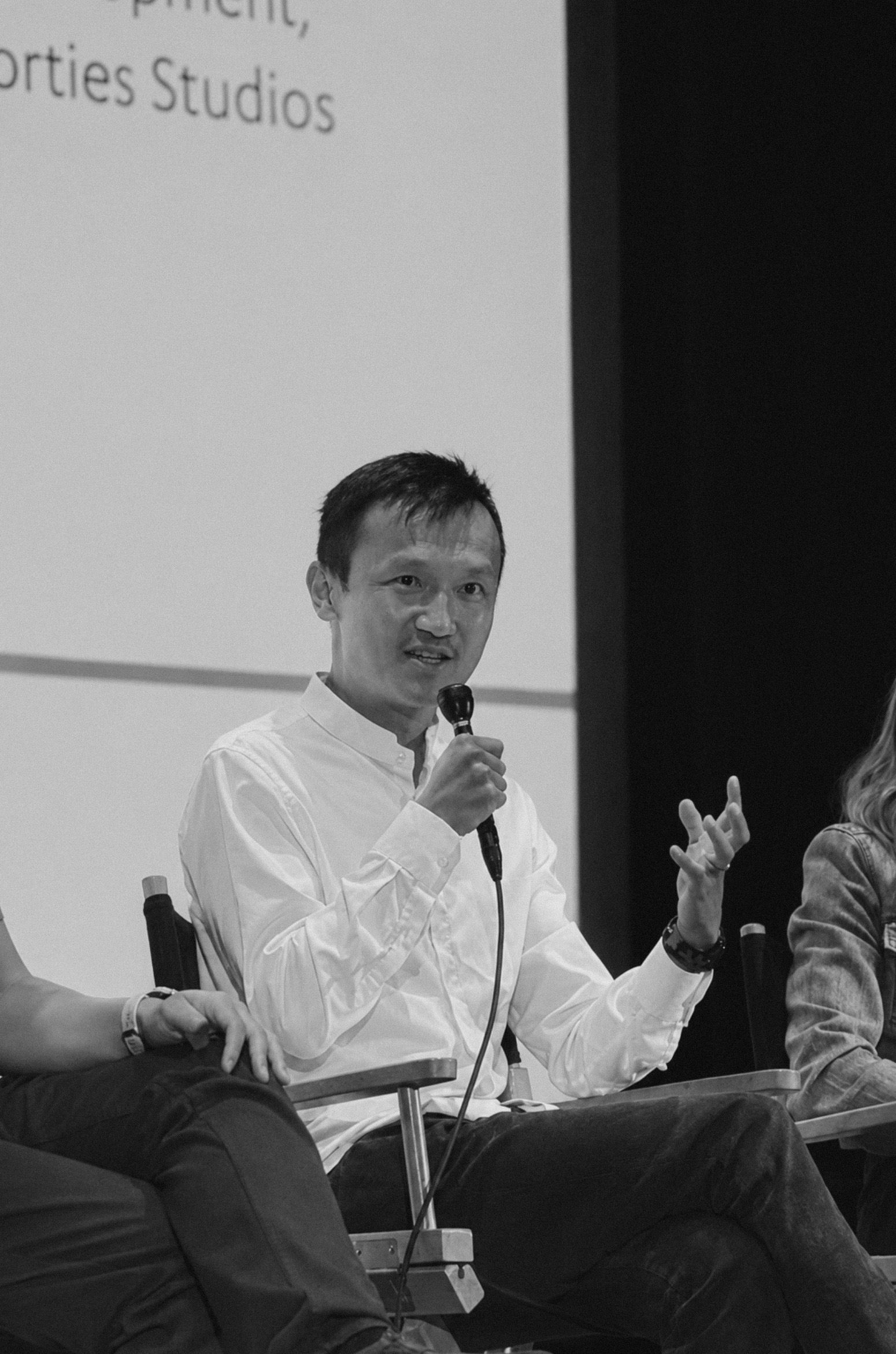
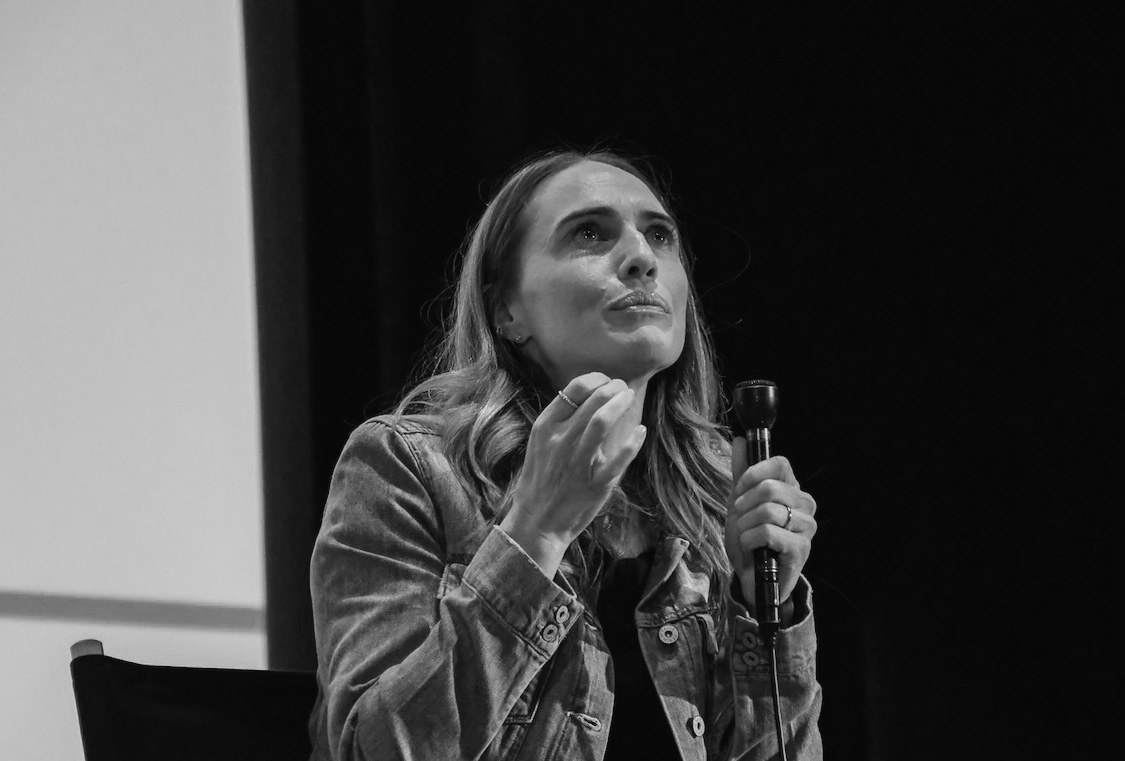
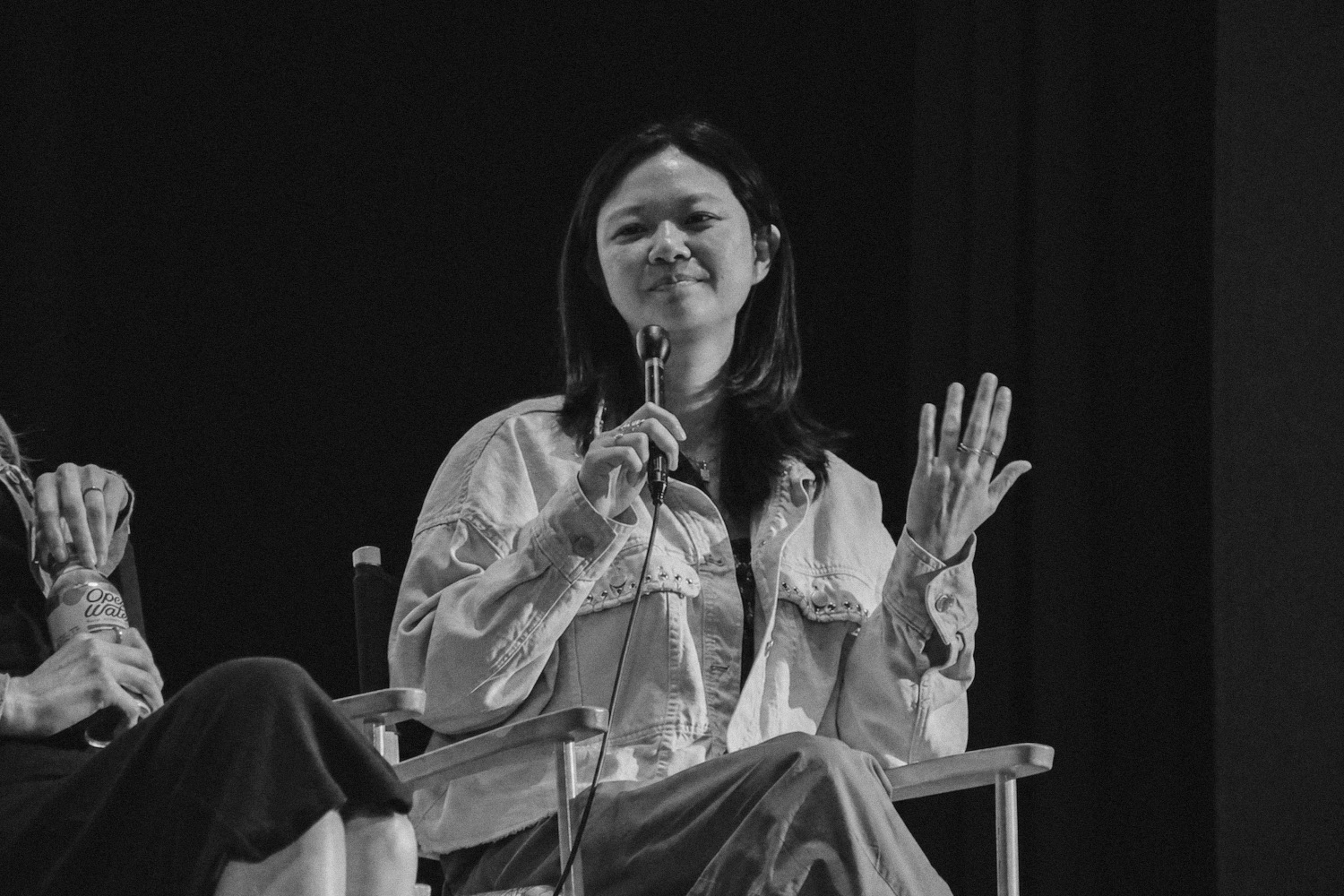
For the second panel, Dean Shimizu stepped into the moderator role, and her questions carried the weight of someone who has spent years thinking about who gets to tell stories and on what terms.
She pressed the panel on whether the three-second hook can coexist with cultural specificity or inevitably flattens it. She asked what the constant stream of viewership data does to creative instinct.
Her final question was the one that lingered longest: what would it take for vertical storytelling to produce work that does not just capture attention, but changes how audiences see the world?
Han Choi most useful contribution was a technical one: the three-second hook is not just about shock. You need shock and also expectation at the same time.
In three seconds, a writer has to create an unexpected moment that arrests the viewer and simultaneously set the right expectation for what the entire show is going to be. A phone is full of competing interruptions in a way a television screen simply is not.
Vigloo is Korean-based, which gives Han a front-row view of the cross-cultural challenge. His conviction: if the emotion is right, cultural difference is not insurmountable. The format has no inherent nationality. It just has rules about feeling.
DJ Azul is a UCLA alum whose smallest audience is 1.5 million and whose average is 3.5 million. His most valuable insight is structural: the best traditional screenwriters often make the worst verticals, because the format forces you to think simultaneously as a writer, a producer, and a businessperson on a $200,000 budget.
At ReelShort, founder Joey Jia told the writing team directly: plot is not as important as emotion. That principle is tested every Friday, when 80 people across three offices gather to review underperforming verticals and diagnose whether the core emotion was clear.
Azul illustrated emotional clarity through Alpha Queen Returns, a Level 10 hit whose trailer isolates one specific emotion: injustice. If you can isolate that uniform of emotion, he said, that is very strong.
Robin Tang spent a decade at Disney+ with a front-row view of how data shapes, and limits, creative decisions. He sees vertical storytelling constrained by greenlighting decisions based almost entirely on what worked before.
The next frontier, in his view, is finding the courage to tell innovative stories that are not 100% backed by historical performance, because a true breakout will not come from inside the existing data.
He also sees an Eastern storytelling discipline entering global media at scale: every word doing work, every pause carrying meaning, actors conveying as much through silence as through speech. Vertical is the structural opposite of indulgence, and audiences are responding because the emotion it engineers is universal.
Eli Jane came into vertical from music video and commercial work, went back to school for acting during COVID, and found a format that functions like a performance training ground unlike anything else in the industry.
Her show Alpha Queen Returns was one of only six verticals to cross $10 million in ad revenue in 2024. From the inside, she describes the demands as extreme and clarifying: you can be high-low emotionally in four seconds.
Working across productions in different countries taught her that setting clear boundaries and communicating them directly is a skill this format actively develops. ReelShort alone operates in 18 languages, and the global reach of the format still surprises her.
Ashlin Yu runs development at Shorties Studios, a production company rather than a platform, and that distinction is the source of her most useful perspective. Shorties finances its own verticals first and figures out licensing and distribution after.
On genre expansion, she was precise about where the real difficulty lives. It is not the genre itself; it is finding writers who understand the vertical language of today and have genuinely new ideas to bring into it.
From her time in Netflix international originals, she brought one key lesson: the more specific you can be to a local audience, the more global you become. The format Chinese origins gave it a structural grammar, but there is nothing inherently Chinese about that grammar. They just figured it out first.
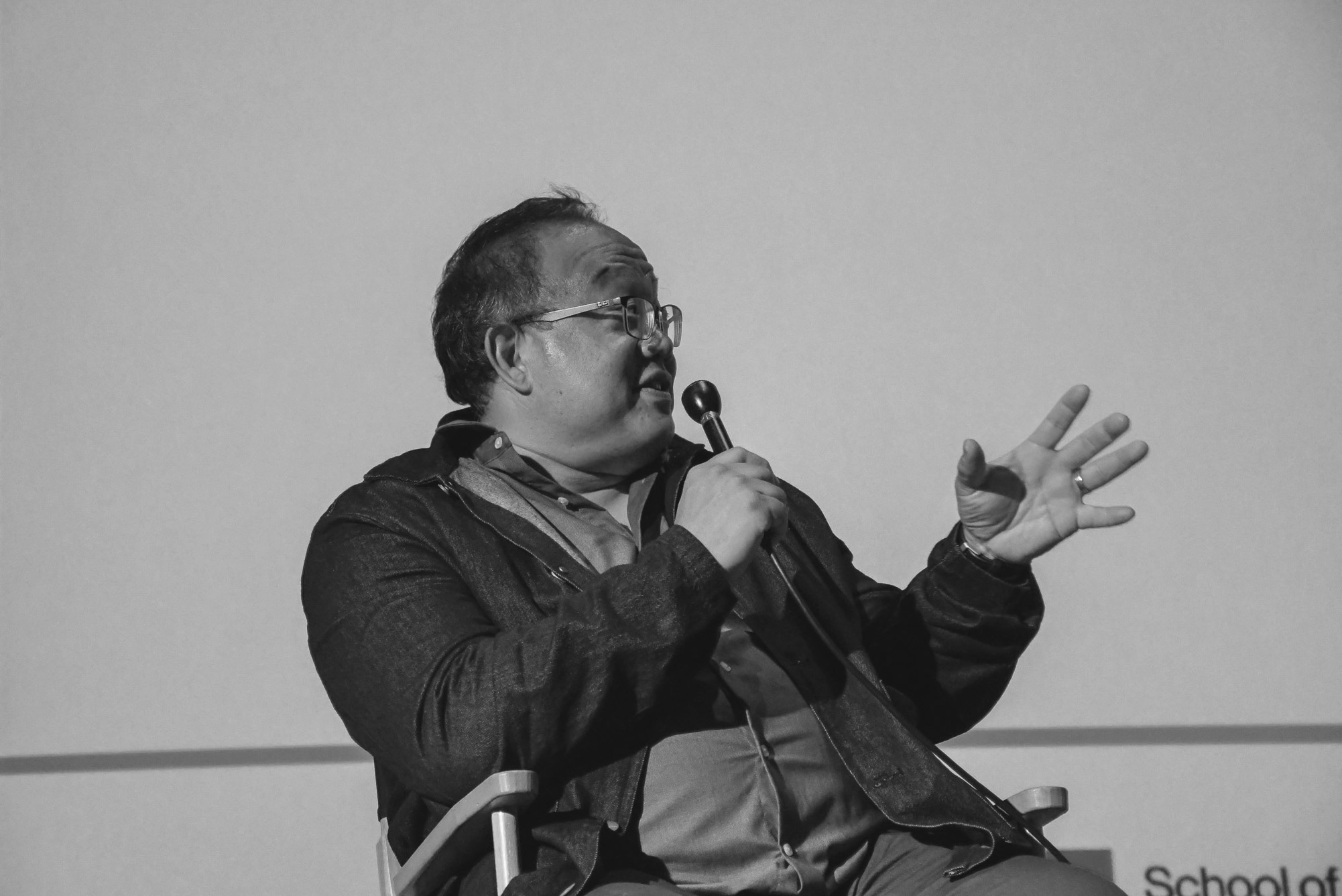
The evening closed with a student showcase presented under UCLA TFT Picture Start initiative, moderated by Professor George Huang. Three original vertical pilots were screened, each made in a single day of production during spring break, with minimal resources and a tight format mandate.
Each screening was followed by a conversation with the filmmakers about the creative decisions behind the work, what the constraints of the format demanded, and what the process taught them.
Professor Huang framed the showcase within the larger arc of the evening: these students are not waiting to be let in. They are already making things, and the format they are learning in is one that is still being written.
Across two panels and one showcase, a few things kept surfacing regardless of who was speaking: the three-second rule, the emotion-first principle, and the question of who this format is actually for. The infrastructure is real. The business is working. What vertical storytelling looks and sounds like in five years will depend on who steps into that 9:16 frame, and what they decide to say.